
The phrase Allahu Akbar is one of the most recognized expressions in the world.
But do you know what it truly means, where it comes from, and how it is used in both religious and cultural contexts?
Many people associate it with media headlines, movies, or controversial events, but its Allāhu Akbar meaning goes far beyond what is often portrayed.
This guide dives deep into the phrase’s linguistic, religious, and cultural significance, helping you understand its correct usage and history.
What Does ‘Allahu Akbar’ Literally Mean
At its core, Allahu Akbar is a simple yet profound phrase in the Arabic language.
- Allahu means “God” or “Allah.”
- Akbar means “Greatest” or “Most Great.”
When combined, the English translation is:
“God is Greatest” or “God is Most Great.”
| Phrase Component | Arabic Script | Literal Meaning | Context of Use |
| Allahu | الله | God | Islamic prayers, exclamations |
| Akbar | أكبر | Greatest / Most Great | Emphasizing the greatness of God |
The difference between “God is Greatest” and “God is Most Great” is subtle but important. It emphasizes supremacy over all else, reflecting a core belief in Islam that God surpasses every power or worldly authority.
Pronunciation matters too. In Allahu Akbar in Arabic, it is pronounced: [al-laahu ak-bar], with emphasis on the “Akbar.”
Origins and Linguistic Background
Understanding the phrase requires a look at Arabic language roots.
- Allahu comes from Allah, the Arabic word for God, which is unique in its singularity and reverence.
- Akbar comes from the Arabic root k-b-r, which relates to greatness, size, or importance.
This phrase is part of a broader set of Islamic exclamations and religious phrases that include:
- Alhamdulillah – “Praise be to God”
- Subhanallah – “Glory be to God”
These expressions reflect faith, gratitude, and awe.
In Arabic, word order is flexible, but the phrase maintains a poetic rhythm that enhances its spiritual impact.
Allahu Akbar in Islamic Practices
Allahu Akbar in Islam is not just a phrase—it’s an integral part of daily life. Its uses include:
- Daily prayers (Salah): Recited at the start of every unit of prayer to express devotion.
- Call to prayer (Adhan): Muslims hear Allahu Akbar multiple times as a spiritual invitation.
- Celebratory occasions: During festivals like Eid, weddings, and other religious milestones.
The spiritual significance is profound. Saying Allahu Akbar is an act of submission, humility, and reverence. It reminds believers that God’s greatness surpasses all worldly matters.
“In every act of devotion, saying ‘Allahu Akbar’ is a way of lifting one’s heart toward the divine.”
Cultural and Social Contexts
Beyond formal religious practices, Allahu Akbar in Muslim daily life appears in casual conversations or moments of surprise. For example:
- Exclaiming Allahu Akbar when witnessing something beautiful or miraculous
- Using it as a verbal reaction to exciting news, similar to “Wow!”
Allahu Akbar in slang varies by region. In some communities, young Muslims might say it in playful contexts, though always maintaining respect for the phrase’s sacred origin.
Cultural nuances are key: what’s natural in one country may seem unusual in another. Understanding this cultural context helps reduce misconceptions.
Misconceptions and Controversies
Unfortunately, Allahu Akbar often appears in media related to terrorism, violence, or war. This has led to widespread misunderstanding:
- Historical events: The 9/11 attacks prominently featured the phrase, leading many to associate it with terrorism.
- Terrorist organizations: Groups like ISIS misuse the phrase to justify violence.
- Media references: Headlines like Allahu Akbar Yahoo and TV shows such as Allahu Akbar in Shameless sometimes sensationalize the phrase.
However, the phrase itself is not violent or offensive. Context determines perception. Scholars emphasize that Allahu Akbar offensive usage is a misrepresentation, not a reflection of Islamic teachings.
| Misconception | Reality |
| Associated with terrorism | Sacred religious phrase |
| Offensive in Western media | Revered expression in Islam |
| Only used in war | Recited in prayer, celebrations, and everyday life |
It’s crucial to distinguish between religious meaning and media portrayal to avoid misunderstanding entire communities.
Allahu Akbar in War and Military Contexts
Allahu Akbar in war has historical and modern implications. While the phrase is sometimes shouted by combatants in conflicts, this does not define its original meaning.
- Used historically as a battle cry in Islamic military campaigns
- Modern misuse by terrorist organizations has unfairly associated it with violence
Understanding the difference is essential: war usage is contextual, whereas the phrase itself is deeply spiritual.
Comparative Phrases in Islam
Islam has many religious phrases and Islamic exclamations similar to Allahu Akbar:
- Alhamdulillah – Praise God for blessings
- Subhanallah – Glorify God’s perfection
- Astaghfirullah – Seek forgiveness from God
These expressions reflect a spectrum of emotions: gratitude, awe, repentance, and joy.
| Phrase | Meaning | Common Usage |
| Allahu Akbar | God is Greatest | Prayer, celebrations, exclamation |
| Alhamdulillah | Praise be to God | Gratitude, everyday blessings |
| Subhanallah | Glory be to God | Admiration, amazement |
| Astaghfirullah | I seek forgiveness | Repentance, reflection |
Global Perceptions and Media References
Media references have shaped public understanding of Allahu Akbar.
- Western media often links it with terrorism or emergencies
- TV and movies, like Shameless, sometimes portray it in exaggerated ways
- News outlets like Yahoo can misrepresent usage in headlines
This has created a gap between cultural perception and religious reality. Understanding this helps combat stereotyping.
Historical and Political Contexts
Several geopolitical contexts highlight how Allahu Akbar in Iran or other regions appears in political, cultural, or national events.
- Used in national celebrations in Iran
- Shouted in protests or demonstrations as a religious rallying cry
- Misinterpreted in Western media as violent, despite peaceful intent
Historical events like 911 and plane hijackings show media misrepresentation, not the phrase’s inherent meaning.
How to Pronounce and Write Allahu Akbar
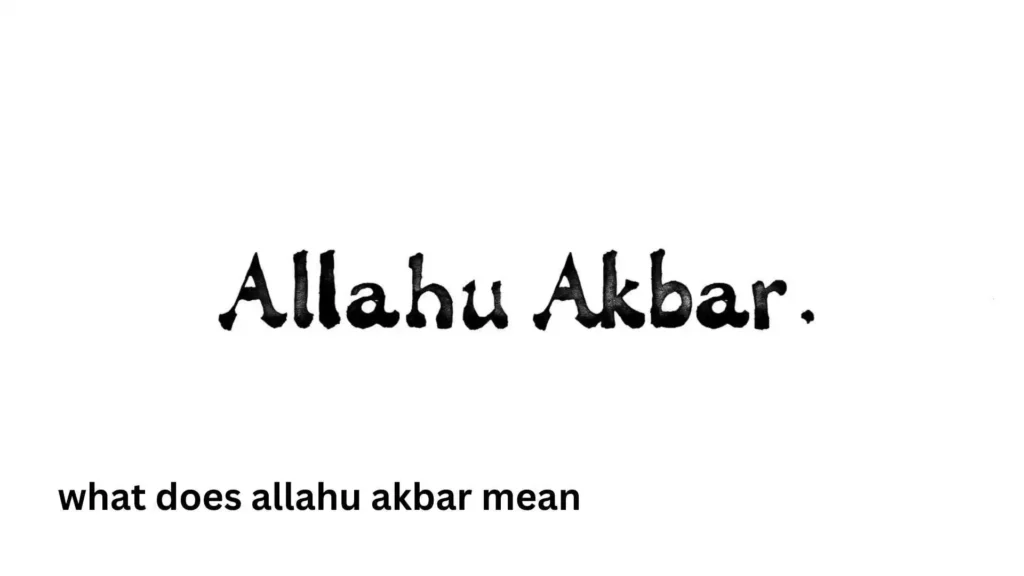
Correct pronunciation is crucial for respect and clarity.
- Arabic: الله أكبر
- Phonetic: [al-laahu ak-bar]
- Common mispronunciations: “Allah Akbar” without proper elongation of vowels
Tips for pronunciation:
- Stress the “Akbar”
- Ensure “Allahu” flows smoothly
- Avoid shortening words unnaturally
| Arabic Script | Phonetic | English Translation |
| الله أكبر | al-laahu ak-bar | God is Greatest |
| الحمد لله | al-hamdu lillah | Praise be to God |
| سبحان الله | subhanallah | Glory be to God |
FAQs About Allahu Akbar
What does Allahu Akbar mean in war?
- Contextual usage; the phrase is spiritual, not violent.
Is Allahu Akbar offensive?
- No. Misinterpretations occur due to media portrayal.
Why do Muslims say Allahu Akbar on planes or in emergencies?
- Expression of fear, hope, or reliance on God.
How is it different from Alhamdulillah?
- Alhamdulillah expresses gratitude; Allahu Akbar expresses God’s supreme greatness.
Can it be used as slang?
- Rarely, in playful or surprised contexts among some youth, but respect is maintained.
Key Takeaways
Allahu Akbar is a phrase of profound spiritual significance in Islam. It reflects the belief that God is supreme, beyond comparison, and ever-present in daily life. While media and historical events have caused misunderstandings, the phrase itself is not offensive or violent. Whether in prayer, celebrations, or casual expression, Allahu Akbar reminds Muslims of God’s greatness and serves as a bridge between devotion, culture, and language.

Julian West is a writer who believes that the right words can mend what life tries to break. A quiet observer of human nature, Julian finds his inspiration in fleeting moments — a whispered goodbye, an unfinished letter, a glance that says everything. Through his work, he captures these subtle emotions and transforms them into timeless quotes that stay with the reader long after the screen fades.
Julian writes not just to express, but to connect — with the lonely soul scrolling at midnight, the dreamer chasing light in darkness, and the fighter learning to breathe again. His quotes echo themes of healing, heartbreak, personal growth, and quiet strength. With a style that’s both poetic and piercing, Julian’s words are often described as “gentle punches to the heart.”
He spends his days exploring old books, journaling in cafes, and finding meaning in the small things — a sunrise, a tear, a laugh that escapes unexpectedly. Julian believes that even the softest words can start a revolution within.
📚 Published Works by Julian West
-
“Ashes & Echoes”
A hauntingly beautiful collection of quotes about loss, healing, and rising from emotional ruins. -
“Beneath the Stillness”
Quotes and reflections on inner peace, overthinking, and the battles no one sees. -
“The Ink Left Behind”
A poetic tribute to broken hearts, quiet strength, and the stories we carry but never tell.