
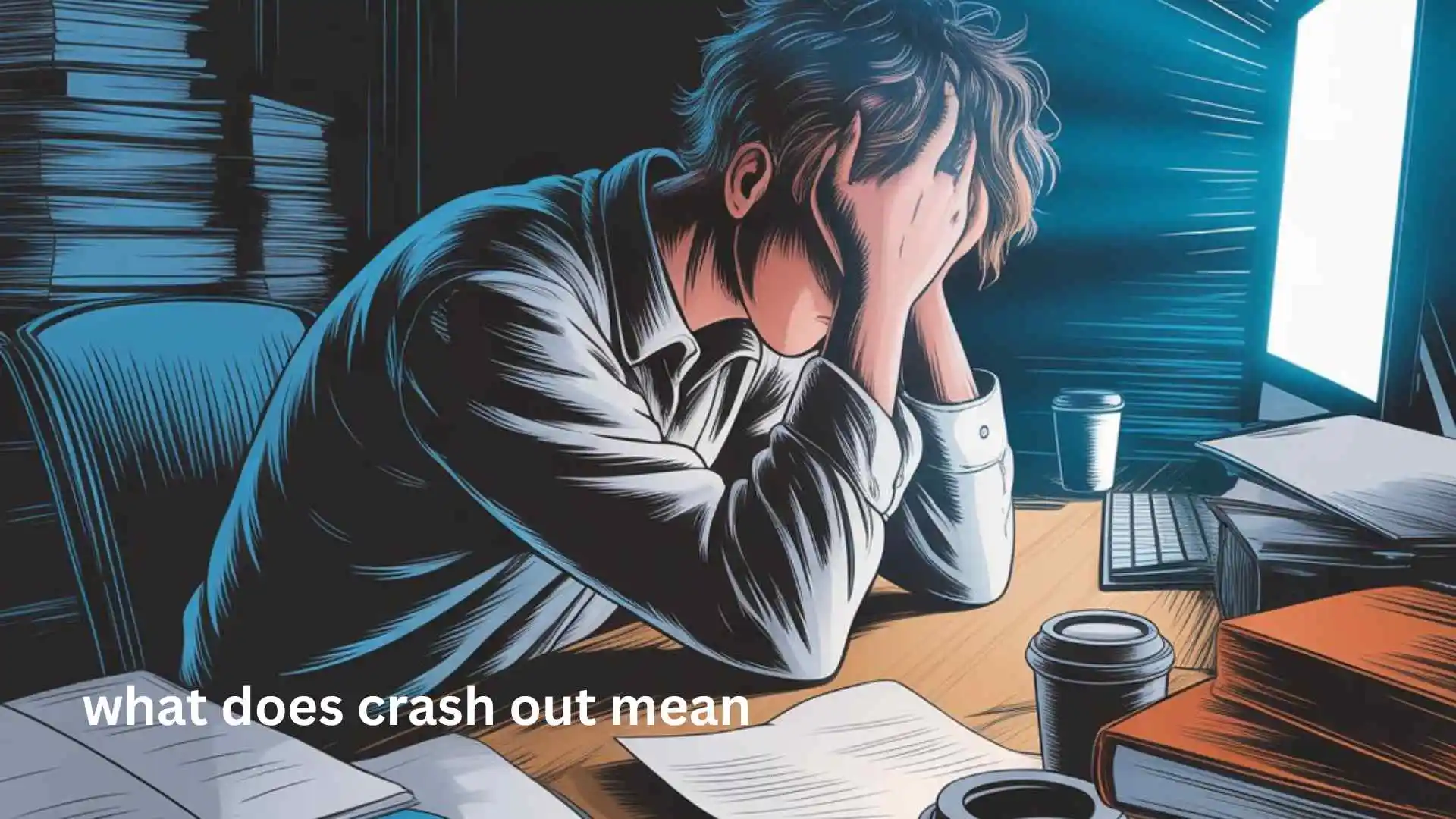
In today’s fast-paced world, the term Crash Out has become increasingly common across workplaces, social media, and everyday conversations.
But what does it really mean when someone says they’re crashing out? Is it just extreme tiredness, or is it something deeper linked to mental fatigue, emotional burnout, and system overload?
This guide will break down the meaning, causes, symptoms, and recovery strategies associated with crash culture, giving you the tools to recognize and respond effectively.
Defining Crash Out
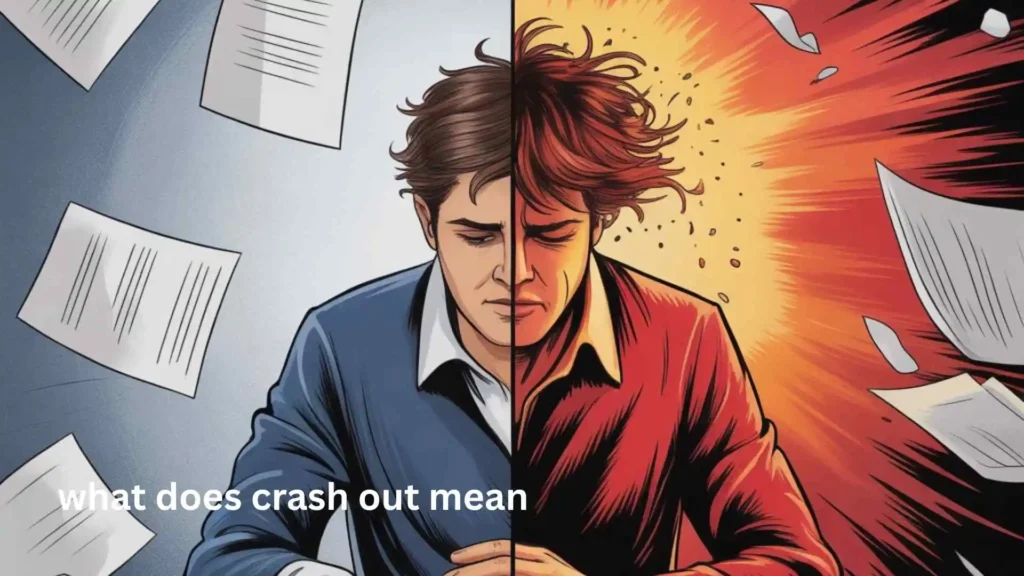
To crash out is to experience a sudden and overwhelming state of exhaustion that can be mental, emotional, or even digital. Unlike regular tiredness, crashing out often involves a shutdown of cognitive, emotional, and sometimes social functions.
There are several ways the term is used:
- Crashed out: Already in a state of extreme fatigue or emotional shutdown.
- Crashing out: The process of hitting a point of mental exhaustion or system overload.
- Digital crash out: A response to constant online activity, often linked to digital burnout.
It’s important to distinguish crashing out from chronic burnout—while burnout develops over time, crashing out is often sudden, intense, and serves as the body’s and mind’s way of forcing a reset.
Causes of Crashing Out
Understanding the root causes of crash out moments can help prevent them and improve long-term mental health.
1. Mental and Emotional Overload
Our brains and emotions can only handle so much. Excessive emotional labor, constant problem-solving, and ongoing over-functioning can trigger mental fatigue. Over time, this accumulation can result in emotional burnout, detachment, and low motivation.
Common triggers include:
- Chronic workplace stress
- Operating under pressure without breaks
- Attempting to maintain psychological safety for others at the cost of self
2. Digital and Social Triggers
In the age of TikTok, Instagram, and constant social media notifications, the mind rarely gets a break. Overstimulation from endless scrolling can result in digital burnout and brainrot, manifesting as fatigue, irritability, and difficulty focusing.
Signs include:
- Feeling drained after short periods online
- Trouble sleeping after late-night scrolling
- Difficulty disconnecting, leading to nervous system signals of stress
3. Workplace and Societal Pressures
Modern workplaces often glorify crash culture, where overwork is normalized and taking rest is seen as weakness. Employees may mask at work, avoid taking time off, or push past natural fatigue, ultimately leading to shutdown.
Statistics:
- According to McKinsey Health Institute, over 60% of employees report feeling mentally exhausted due to constant workplace demands.
- 45% of Millennials and Gen Z workers identify over-functioning as a key contributor to emotional burnout.
4. Generational Context
Gen Z and Millennials are particularly susceptible due to social media exposure, gig economy pressures, and cultural emphasis on productivity. Unlike older generations, these groups are more likely to experience digital fatigue alongside traditional workplace burnout.
Signs and Symptoms of Crashing Out
Recognizing when you or someone else is crashing out is essential for timely recovery.
Mental and Cognitive Symptoms
- Mental fatigue and lack of focus
- Brain fog and brainrot
- Difficulty making decisions or operating under pressure
Emotional Symptoms
- Emotional burnout and emotional shutdown
- Detachment from friends, colleagues, and responsibilities
- Low motivation and feelings of hopelessness
Behavioral Signals
- Logging off unexpectedly
- Ghosting meetings or disappearing socially
- Masking at work to hide stress from leadership
Physical Signs
- Persistent fatigue
- Sleep disturbances
- Tension headaches or body aches
Table: Key Symptoms of Crashing Out
| Type | Common Signs |
| Mental | Brainfog, mental exhaustion, poor concentration |
| Emotional | Emotional burnout, detachment, irritability |
| Behavioral | Logging off, ghosting meetings, masking at work |
| Physical | Fatigue, sleep disruption, tension headaches |
Psychological and Cultural Context
Crash culture intersects deeply with societal norms around productivity, wellness culture, and workplace expectations.
- Crash culture vs burnout culture: While burnout develops gradually, crash out is often abrupt—a natural stress response signaling that the body cannot cope further.
- Wellness culture paradox: The pressure to practice self-care ironically contributes to over-functioning. Employees feel they must “perform wellness” while ignoring mental health gaps.
- Signal vs flaw: Experiencing a crash out moment is a warning, not a personal weakness. Recognizing this can improve psychological safety and encourage peer support.
Quote:
“Crashing out isn’t failure. It’s the system telling you to pause before it breaks.”
Coping Mechanisms and Recovery
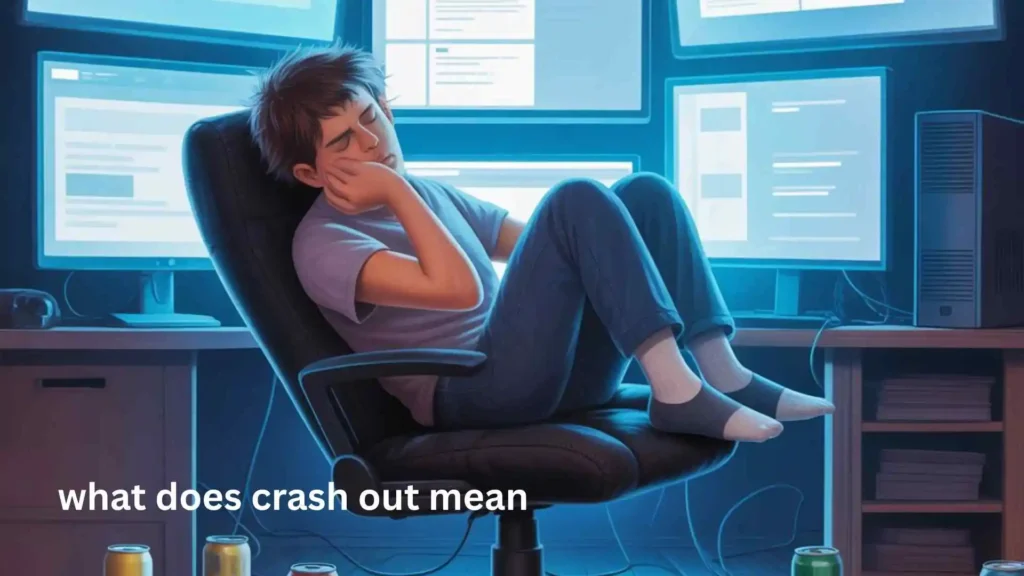
Recovering from crashing out requires both immediate relief and long-term strategies.
Immediate Recovery Tools
- Rest / Boundaries: Step back from work and digital platforms. Even short breaks can reset nervous system signals.
- Logging off from social media to reduce digital fatigue.
- Mindful breathing or meditation to alleviate system overload.
Long-Term Strategies
- Develop margin to cope by scheduling regular downtime
- Practice emotional regulation to manage emotional labor
- Encourage human-centered work culture in the workplace
- Seek peer support and safe spaces for sharing stress
Professional Guidance
- Therapy for persistent emotional burnout
- Structured recovery / reset programs in corporate settings
- HR-led initiatives to reduce overwork and promote psychological safety
Table: Coping Strategies for Crashing Out
| Strategy Type | Examples |
| Immediate | Rest, logging off, mindfulness |
| Long-term | Boundaries, margin to cope, peer support |
| Professional | Therapy, HR support, structured recovery tools |
Practical Examples and Anecdotes
Gen Z employees often share their crash out experiences on TikTok and other social media platforms. Common behaviors include ghosting meetings, masking at work, or using humor and memes to cope.
A viral reference, the merchandise item “This is my therapy hat”, symbolizes how individuals acknowledge their need for emotional recovery without stigma.
Example:
Sarah, a 24-year-old marketing associate, reported feeling system overload after weeks of late-night work and constant social media engagement. Her mental exhaustion manifested as irritability and low motivation, prompting her to crash out for a weekend of complete rest and digital detox.
The Broader Implications
Understanding crash out has implications for both individuals and organizations:
Workplace Perspective
- Promotes psychological safety
- Reduces long-term burnout and absenteeism
- Encourages a human-centered work culture
Societal Awareness
- Normalizes emotional regulation and rest / boundaries
- Reduces stigma around mental health gaps
- Highlights the importance of managing digital fatigue
Fact: Companies with structured recovery tools and safe work environments report 30% higher employee engagement and lower turnover rates.
Prevention and Sustainable Habits
Preventing crash out requires conscious lifestyle adjustments:
- Boundaries: Limit work hours, establish no-email periods
- Digital hygiene: Reduce overstimulation, schedule phone-free time
- Emotional labor management: Delegate tasks and avoid over-functioning
- Sleep culture: Maintain regular, restorative sleep
- Early detection: Watch for nervous system signals before a full crash
Quick Tips Table: Preventing Crashing Out
| Area | Tips |
| Workload | Avoid overwork, delegate tasks |
| Digital | Set screen limits, manage notifications |
| Emotional | Practice self-care, recognize stress response |
| Physical | Prioritize sleep, exercise, proper nutrition |
| Social | Seek peer support, communicate boundaries |
Conclusion
Crash out moments are not a sign of weakness—they are your body and mind signaling system overload, mental fatigue, or emotional burnout. Recognizing the nervous system signals and taking timely action through rest, boundaries, and recovery tools is crucial. Whether you’re part of a Millennial or Gen Z workforce, managing workplace stress, digital fatigue, and over-functioning habits ensures that your productivity and mental health remain sustainable.

Asher Blake is a passionate wordsmith whose pen dances between pain and purpose. Known for his emotionally rich quotes and soul-stirring reflections, Asher has become a quiet force in the world of inspirational writing. His words don’t just decorate pages — they reach into hearts, offering comfort, clarity, and courage.
With a background in creative writing and an unshakable love for literature, Asher began his journey by collecting forgotten feelings and turning them into lines that linger. His work touches on self-worth, healing, love, heartbreak, and the small moments that define us. He believes that even a single sentence can light up someone’s darkest day.
Driven by empathy and depth, Asher Blake writes not to impress — but to connect. His quotes are shared across the globe by those searching for meaning, motivation, and emotional release. Whether you’re lost in love, rebuilding your confidence, or simply pausing to breathe, his words feel like they were written just for you.
Books by Asher Blake
“Ink & Ache: Quotes That Feel Like Scars”
A collection of raw, emotional quotes about love, loss, and becoming whole again.
“Still Learning to Breathe”
An inspiring blend of healing quotes and reflections for anyone learning to let go.
“Unfinished Thoughts”
A poetic journey through scattered emotions, fleeting moments, and the beauty of not having all the answers.