
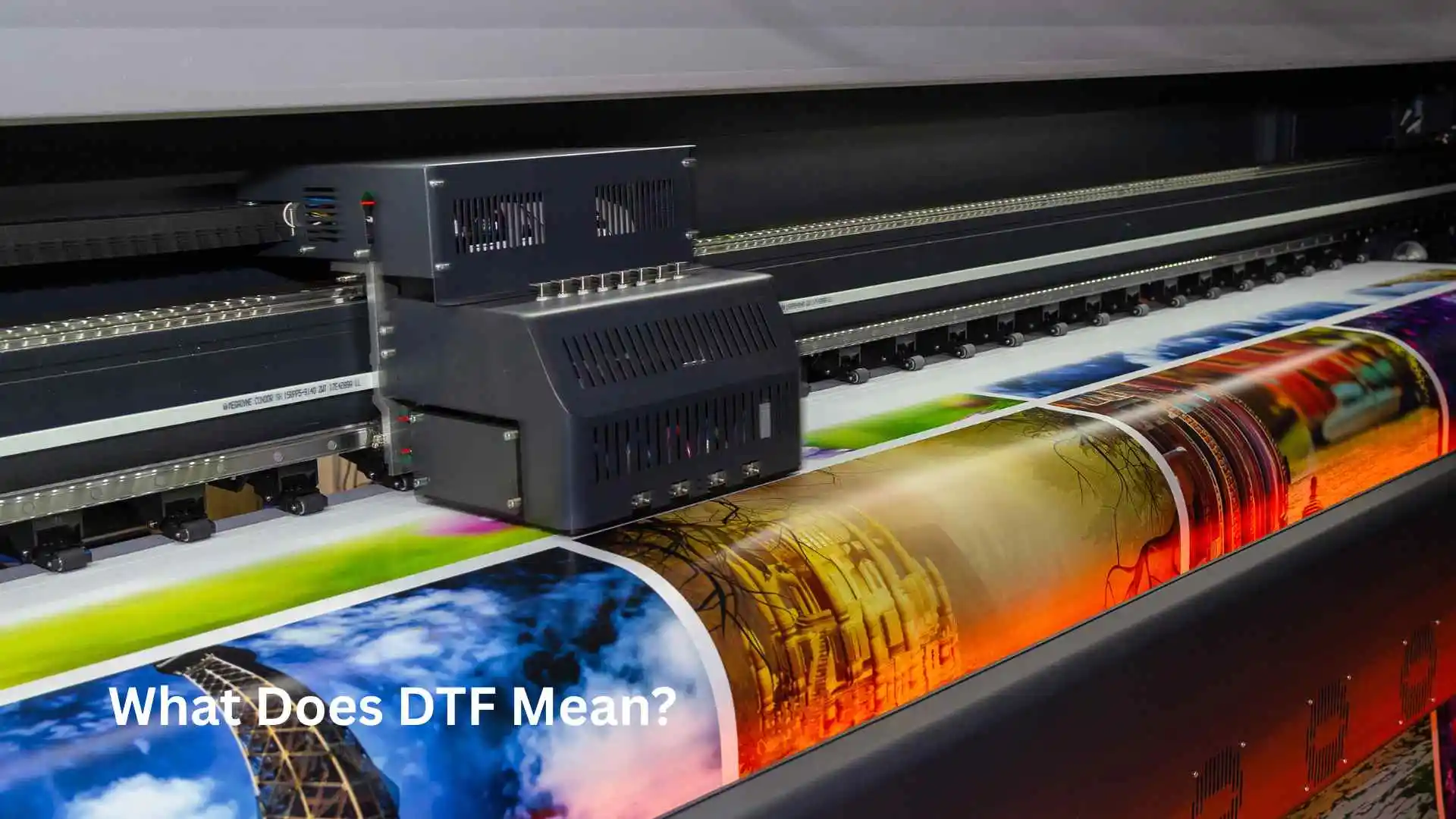
Printing technology has evolved drastically over the last decade, offering creative ways for businesses and hobbyists to produce custom apparel.
Among these innovations, DTF printing, or Direct-to-Film printing, has emerged as a versatile and efficient solution for high-quality textile designs.
If you’ve ever wondered “what does DTF mean” or how it compares to other methods like DTG, sublimation, or screen printing, this guide will give you a complete, practical overview.
By the end, you’ll understand the DTF printing process, its advantages, limitations, and how to use it to elevate your custom apparel business.
1. What Does DTF Mean in Printing?
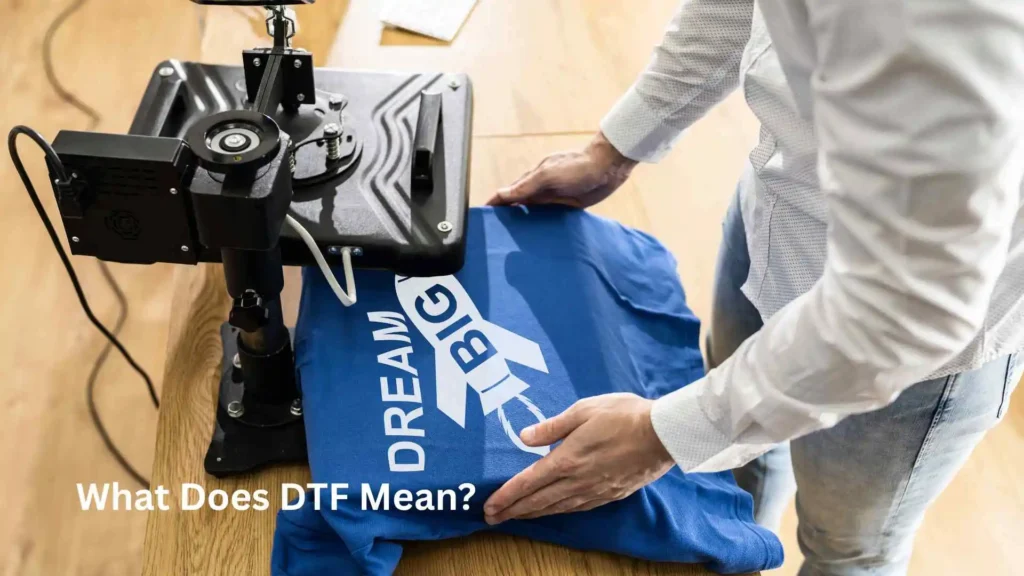
DTF stands for Direct-to-Film, a printing method where designs are first printed onto a special PET transfer film before being heat-pressed onto fabric.
Unlike traditional printing methods that require direct contact with the fabric, DTF adds an intermediary step, allowing:
- Printing on any fabric type, light or dark
- More vivid colors and fine details
- Short-run production without setup-heavy processes
Think of DTF as the “middleman” between digital design and fabric, bridging creative flexibility with high-quality printing results.
2. What Is DTF Printing?
Direct-to-Film printing involves transferring digitally printed designs from a film onto garments or textiles.
Key highlights of DTF printing include:
- Works on a wide variety of fabrics (cotton, polyester, blends, synthetics)
- Supports small orders, bulk production, or print-on-demand (POD)
- Allows for full-color, gradient-rich, and high-resolution designs
In simpler terms, DTF is like stamping a vibrant, ready-to-stick image onto fabric, using modern digital technology rather than manual techniques.
3. How DTF Printing Works (Step-by-Step Process)
Understanding the DTF printing process is crucial for anyone planning to adopt this method. The workflow typically involves these steps:
- Artwork Design
- Prepare a high-resolution file (300 DPI recommended)
- Use transparent backgrounds for clean prints
- Optimize colors in CMYK or sRGB for accurate output
- Prepare a high-resolution file (300 DPI recommended)
- Printing on PET Film
- Print the design using water-based or pigment inks on PET film
- Include white ink layers for opacity on dark fabrics
- Print the design using water-based or pigment inks on PET film
- Adhesive Powder Application
- Sprinkle a hot-melt adhesive powder on the wet print
- This ensures the ink sticks to fabric during heat transfer
- Sprinkle a hot-melt adhesive powder on the wet print
- Curing Process
- Melt the adhesive using a curing oven or heat press
- Proper curing prevents ink from peeling or fading
- Melt the adhesive using a curing oven or heat press
- Heat Press Transfer
- Place the film on the fabric
- Apply heat and pressure for the recommended time
- Hot peel vs cold peel:
- Hot peel: Remove film immediately after pressing
- Cold peel: Wait until the film cools for easier handling
- Hot peel: Remove film immediately after pressing
- Place the film on the fabric
This step-by-step approach allows DTF prints to achieve sharp details, vibrant colors, and long-lasting durability.
4. Core Components Used in DTF Printing
DTF printing relies on several essential tools and materials. Here’s a breakdown:
| Component | Purpose |
| DTF Printer | Prints design onto PET film with high resolution |
| PET Film | Transfer medium for the printed design |
| Adhesive Powder | Ensures ink bonds with fabric during heat press |
| Heat Press Machine | Transfers the design from film to fabric |
| Curing Oven | Optional, ensures adhesive powder fully melts |
These components work together to produce retail-quality prints on nearly any textile surface.
5. Fabric Compatibility: What Materials Work Best with DTF
One of the biggest advantages of DTF printing is fabric versatility. Unlike sublimation, which is limited to polyester, DTF works on:
- Cotton – soft, breathable, ideal for casual wear
- Cotton blends – balances comfort and durability
- Polyester – vibrant colors stick well
- Nylon and synthetic fabrics – perfect for activewear and sportswear
- Fleece and thick textiles – maintains detail without distortion
This makes DTF an excellent choice for diverse apparel lines, from hoodies to hats.
6. DTF Printing vs Other Popular Printing Methods
Comparing DTF with other printing techniques helps understand when to use it:
| Printing Method | Pros | Cons | Best Use Case |
| DTF Printing | Works on any fabric, vibrant colors, small & bulk runs | Heavier print feel, adhesive waste | POD, custom apparel, small brands |
| DTG Printing | Soft prints, breathable | Requires pre-treatment, limited to light fabrics | Premium T-shirts, cotton-based products |
| Screen Printing | Cost-effective for bulk | Setup-intensive, limited colors | Bulk runs with simple designs |
| Sublimation | Bright colors, full coverage | Only polyester, light fabrics | Activewear, promotional products |
Example: If you need a custom sports jersey on polyester with a gradient design, DTF is better than DTG or screen printing.
7. Print Quality and Performance Factors
DTF printing delivers high-quality prints when you focus on:
- Color Vibrancy – Enhanced by white ink layering
- Wash Durability – Resistant to multiple washes
- Fine Detail – Captures small logos and intricate designs
- Print Texture – Slightly raised for tactile effect
- Breathability – Slightly reduced for dense designs
Proper curing, pressure, and temperature are critical to maintaining these quality standards.
8. Advantages of DTF Printing
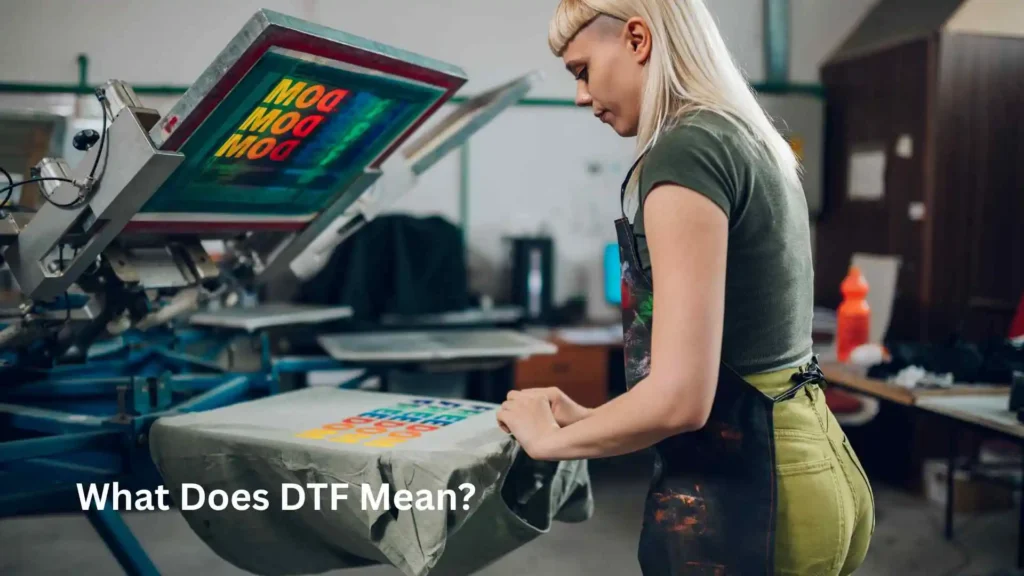
DTF printing shines in many areas:
- Wide fabric compatibility – works on dark and light textiles
- No pre-treatment required – saves time and cost
- Fast turnaround – ideal for POD and small orders
- High detail printing – captures gradients and small designs
- Consistent output – reproducible in bulk with minimal variation
In short, DTF gives flexibility, speed, and professional results in one package.
9. Disadvantages and Limitations of DTF Printing
While powerful, DTF has a few drawbacks:
- Heavier print feel – noticeable on large designs
- Reduced breathability – especially on thick fabrics
- Transfer film waste – environmentally less friendly
- Not ideal for ultra-soft fashion prints – may feel slightly raised
Being aware of these limitations helps you choose the right application.
10. File Preparation and Design Best Practices for DTF
Good design preparation ensures print accuracy. Key steps include:
- File formats: PDF, PNG with transparent backgrounds
- Resolution: Minimum 300 DPI
- Color profiles: CMYK for printing, sRGB for screen previews
- Gradients and halftones: Ensure smooth color transitions
- Solid color designs: Use vector files for crisp edges
Pro Tip: Always run a test print before committing to a bulk order to catch design issues early.
11. Color Management in DTF Printing
Color accuracy is critical. DTF uses:
- CMYK color model – Standard for print
- CMYK PSO V3 vs sRGB IEC61966-2.1 – Adjust for optimal color reproduction
- Neon and high-saturation colors – May require multiple layers or calibration
Proper color management ensures your designs look consistent across multiple garments.
12. Common Products Made with DTF Printing
DTF is suitable for various apparel products:
- T-shirts and hoodies – everyday essentials
- Sports jerseys – vibrant, durable, ideal for team wear
- Polo shirts and fleece – corporate and casual use
- Hats, caps, and inside labels – small details printed clearly
Example: A custom baseball cap with a small logo can be produced with DTF, whereas sublimation would fail on dark nylon.
13. Business Use Cases for DTF Printing
DTF is particularly beneficial for:
- Print-on-demand stores – fast, no pre-treatment required
- Small apparel brands – minimal upfront cost
- Event merchandise – one-off designs for conferences or concerts
- Inventory-free selling models – print only when orders come in
- Brand logo and label printing – consistent and high-quality
It provides flexibility for both small and medium-scale businesses, supporting custom and bulk orders alike.
14. Is DTF Printing Right for Your Business?
To decide, consider:
- Small orders and custom designs → DTF excels
- Large-volume screen-printed designs → traditional methods may be cheaper
- Premium soft-hand feel products → DTG might be preferable
- Polyester or synthetic fabrics → DTF outperforms sublimation
Rule of Thumb: If versatility, speed, and color accuracy matter more than extreme softness, DTF is the right choice.
15. Frequently Asked Questions About DTF Printing
1. Is DTF printing better than sublimation?
Yes, for dark or mixed fabrics. Sublimation only works on light polyester.
2. Is DTF better than DTG for T-shirts?
It depends. DTG is softer, but DTF works on more fabrics with higher detail.
3. How long does a DTF print last?
With proper curing, prints can last 50+ washes without fading or peeling.
4. What are the main disadvantages of DTF printing?
Heavier feel, reduced breathability, and transfer film waste.
5. What is the best printing method for custom apparel?
For versatility, short runs, and detailed designs, DTF is often the best choice.
16. Final Thoughts: What DTF Really Means Today
DTF printing has transformed textile printing by offering speed, versatility, and quality in one package. Its ability to work on multiple fabrics, reproduce fine details, and handle small to large orders makes it a go-to method for modern custom apparel and POD businesses.
Whether you’re a small business owner, a custom T-shirt enthusiast, or looking to expand a product line, understanding what DTF means and how it works empowers you to make the right printing decisions.
In the world of custom apparel, DTF is not just a method—it’s a solution that balances creativity, efficiency, and professional results.

Ethan Cole is a writer fueled by emotions, driven by truth, and inspired by the power of words. Known for his ability to distill complex feelings into short, striking lines, Ethan has become a go-to name for readers seeking comfort, motivation, and clarity through quotes.
With a background in literature and a lifelong love for poetic expression, Ethan blends simplicity with depth. He writes not just to be read, but to be felt. His work dives into themes of heartbreak, healing, mental strength, and the beauty of being human — making his words resonate across generations.
Ethan believes that even a single sentence, when written with honesty, can become a turning point in someone’s life. Whether it’s a quote to mend a shattered heart or one to spark a dream, he crafts each line with intention.
Outside the world of writing, he enjoys black coffee, rainy evenings, and observing life in its rawest form — because that’s where the real stories hide.
📚 Published Works by Ethan Cole
“Fragments of a Shattered Sun”A poetic journey through heartbreak, loss, and the light that follows even the darkest nights.
“Ink & Resilience”A bold mix of motivational quotes and raw reflections on self-growth, courage, and rising again.
“The Weight of Quiet Things”A deeply personal collection of short quotes and musings for those who feel deeply but speak softly.