
If you’ve ever checked your order and seen the words “in transit”, you probably paused for a second. Is your package moving or just sitting somewhere?
Is this good news or a problem? Simply put, in transit means your shipment is actively moving through the shipping network on its way from the seller to you. It hasn’t arrived yet, but it’s no longer stuck at the starting point either.
In this guide, you’ll get a clear, real-world explanation of what in transit means, how the shipping process works, how long it usually takes, and what to do if things feel slow. No fluff. Just useful answers you can actually rely on.
What Does In Transit Mean in Shipping?
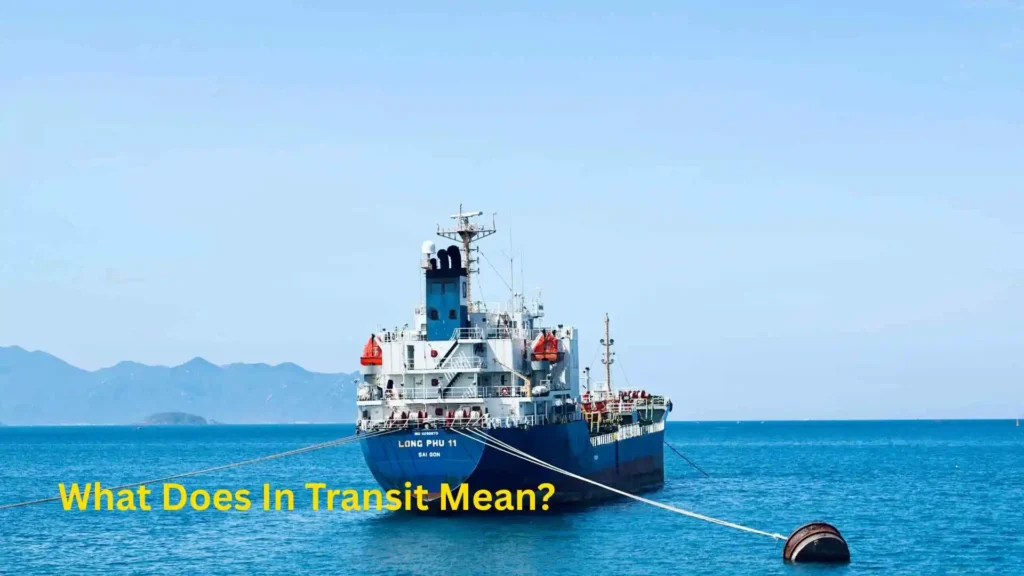
In shipping and logistics, in transit means a package has left the origin facility and is traveling toward its destination. It may move by truck, plane, train, or ship. Sometimes it switches between several of these before it reaches you.
Here’s the simplest way to think about it:
In transit = your package is between the sender and the recipient.
That’s it. It doesn’t mean delayed. It doesn’t mean lost. It doesn’t even mean it’s moving at that exact second. It means the shipment is somewhere along the delivery route.
Short Answer
In transit means your order is on the way but hasn’t arrived at the final delivery location yet.
In Transit vs Other Common Shipping Statuses
Shipping statuses can feel confusing because they sound similar. However, each one tells you something specific about where your package is.
Key Differences at a Glance
| Shipping Status | What It Means | Where the Package Is |
| Order Received | Seller got your order | Still with the seller |
| Order Processing | Order is being prepared | Warehouse or store |
| Shipped | Handed to the carrier | Leaving origin |
| In Transit | Moving through the network | Between facilities |
| Out for Delivery | Delivery day has started | Local delivery vehicle |
| Delivered | Shipment completed | At your address |
| Exception | Something went wrong | Needs attention |
In transit sits right in the middle of the shipping journey. It’s the longest phase for most shipments.
Where a Package Is While It’s In Transit
When a shipment shows package in transit, it can be in many different physical locations. Tracking systems don’t always show every stop, which is why updates may pause for hours or even days.
Common Locations During Transit
- Sorting facility
- Distribution center
- Transit hub
- Warehouse
- Airport or seaport
- Long-haul transport route
- International border or customs office
A package may pass through several of these before it reaches the final delivery stage.
The Shipping Process Explained Step by Step
Understanding the full shipping process makes the in transit status much easier to trust.
Typical Shipping Timeline
- Order received by the seller
- Order processing and verification
- Picking items from inventory
- Packing and labeling
- Picked up by the carrier
- Dispatched from the origin
- In transit
- Sorted and routed at facilities
- Arrives at local post office or last-mile facility
- Out for delivery
- Delivered
In transit covers the longest and most complex part of this journey.
Transportation Methods Used During Transit
Packages don’t move the same way every time. The transportation mode depends on distance, cost, and urgency.
Common Transport Methods
- Road transport using trucks and delivery vehicles
- Rail transport for long domestic routes
- Air freight for express or international shipping
- Ocean freight / sea freight for bulk international shipments
A single shipment can use multiple methods. For example, an international package may travel by cargo ship, then by truck, and finally by a local delivery vehicle.
How Long Does In Transit Usually Take?
The biggest question people ask is: How long does in transit take? The answer depends on distance, shipping method, and location.
Average Transit Times
| Shipping Type | Typical Transit Time |
| Local delivery | 1–2 business days |
| Domestic shipping | 2–7 business days |
| Express delivery | 1–3 business days |
| Economy shipping | 5–10 business days |
| International shipment | 7–21 business days |
Seeing shipment in transit for several days is completely normal, especially for long-distance or international orders.
Why a Package May Stay In Transit Longer Than Expected
A longer transit time doesn’t automatically mean trouble. Many delays are part of normal logistics operations.
Common Delay Factors
- Weekends and public holidays
- High shipment volume, especially during sales seasons
- Weather disruptions like storms or snow
- Route congestion at transit hubs
- Customs clearance for international shipments
Carriers often batch updates, so movement may happen without immediate tracking changes.
In Transit for International Shipments
International shipping adds extra steps. That’s why international transit often takes longer and shows fewer updates.
What Happens During International Transit
- Export processing
- Border crossing
- Customs inspection
- Customs clearance
- Transfer to a local carrier
Your package may appear stuck in transit when it’s actually waiting for customs approval. This is normal and usually resolves without action.
Common Problems While a Package Is In Transit
Although most shipments arrive safely, issues can happen.
Typical Transit Issues
- Shipment delay beyond the estimated delivery date
- Tracking updates not refreshing
- Exception status appearing unexpectedly
- Package temporarily misplaced at a facility
- Damage during transit
True lost packages are rare. Most delays resolve themselves within a few days.
What to Do If Your Package Is Stuck In Transit
Patience helps, but knowing when to act matters too.
When to Wait
- Transit time is still within the estimated window
- Shipment recently crossed borders
- Delay includes weekends or holidays
When to Take Action
- No updates for 7+ business days (domestic)
- No updates for 14+ days (international)
- Tracking shows an exception status
Who to Contact
- Shipping carrier or courier service
- Shipping provider or logistics provider
- Seller or merchant support team
Have your tracking number, order date, and delivery address ready.
Understanding Tracking Updates and Notifications
Tracking systems aren’t live GPS tools. They update when a package is scanned at key points.
Tracking Basics
- Tracking number identifies your shipment
- Scans occur at facilities, not every mile
- SMS and email updates depend on carrier systems
It’s normal for shipment tracking to pause while a package is moving between hubs.
In Transit vs Exception Status
These two statuses mean very different things.
Key Differences
| Status | Meaning | Action Needed |
| In Transit | Shipment moving normally | None |
| Exception | Issue affecting delivery | Review details |
An exception status may involve address issues, customs delays, or payment problems. Unlike in transit, exceptions usually require attention.
Security, Insurance, and Protection During Transit
Modern logistics systems prioritize safety, especially for valuable shipments.
Protection Measures
- Secure carrier networks
- Package scanning and tracking
- Tamper-resistant packaging
Insurance Options
- Shipping insurance for high-value items
- Cargo insurance for freight shipments
- Signature confirmation on delivery
Insurance protects against loss, theft, or damage during transit.
Frequently Asked Questions About In Transit
Does in transit mean my package is moving?
Yes. It means your package is progressing through the shipping network, even if tracking hasn’t updated recently.
Is in transit the same as shipped?
No. Shipped means the carrier has the package. In transit means it’s actively traveling.
Can a package be lost while in transit?
It’s possible but rare. Most “lost” packages are delayed or misrouted temporarily.
Why does my order say in transit for days?
Because long-haul transport and sorting facilities don’t always scan packages immediately.
Can I change delivery details while it’s in transit?
Sometimes. Contact the carrier or shipping provider as soon as possible.
Final Takeaway: How to Read “In Transit” With Confidence
Seeing in transit on your delivery status usually means things are working as they should. Your package is moving through the shipping and logistics network, passing through facilities, transport routes, and sorting centers until it reaches you.
The key things to remember:
- In transit is normal
- Delays don’t always signal problems
- Tracking updates aren’t real-time
- Most shipments arrive safely without intervention
Once you understand what in transit meaning really involves, shipping updates feel less stressful and far more predictable.

Ethan Cole is a writer fueled by emotions, driven by truth, and inspired by the power of words. Known for his ability to distill complex feelings into short, striking lines, Ethan has become a go-to name for readers seeking comfort, motivation, and clarity through quotes.
With a background in literature and a lifelong love for poetic expression, Ethan blends simplicity with depth. He writes not just to be read, but to be felt. His work dives into themes of heartbreak, healing, mental strength, and the beauty of being human — making his words resonate across generations.
Ethan believes that even a single sentence, when written with honesty, can become a turning point in someone’s life. Whether it’s a quote to mend a shattered heart or one to spark a dream, he crafts each line with intention.
Outside the world of writing, he enjoys black coffee, rainy evenings, and observing life in its rawest form — because that’s where the real stories hide.
📚 Published Works by Ethan Cole
“Fragments of a Shattered Sun”A poetic journey through heartbreak, loss, and the light that follows even the darkest nights.
“Ink & Resilience”A bold mix of motivational quotes and raw reflections on self-growth, courage, and rising again.
“The Weight of Quiet Things”A deeply personal collection of short quotes and musings for those who feel deeply but speak softly.