
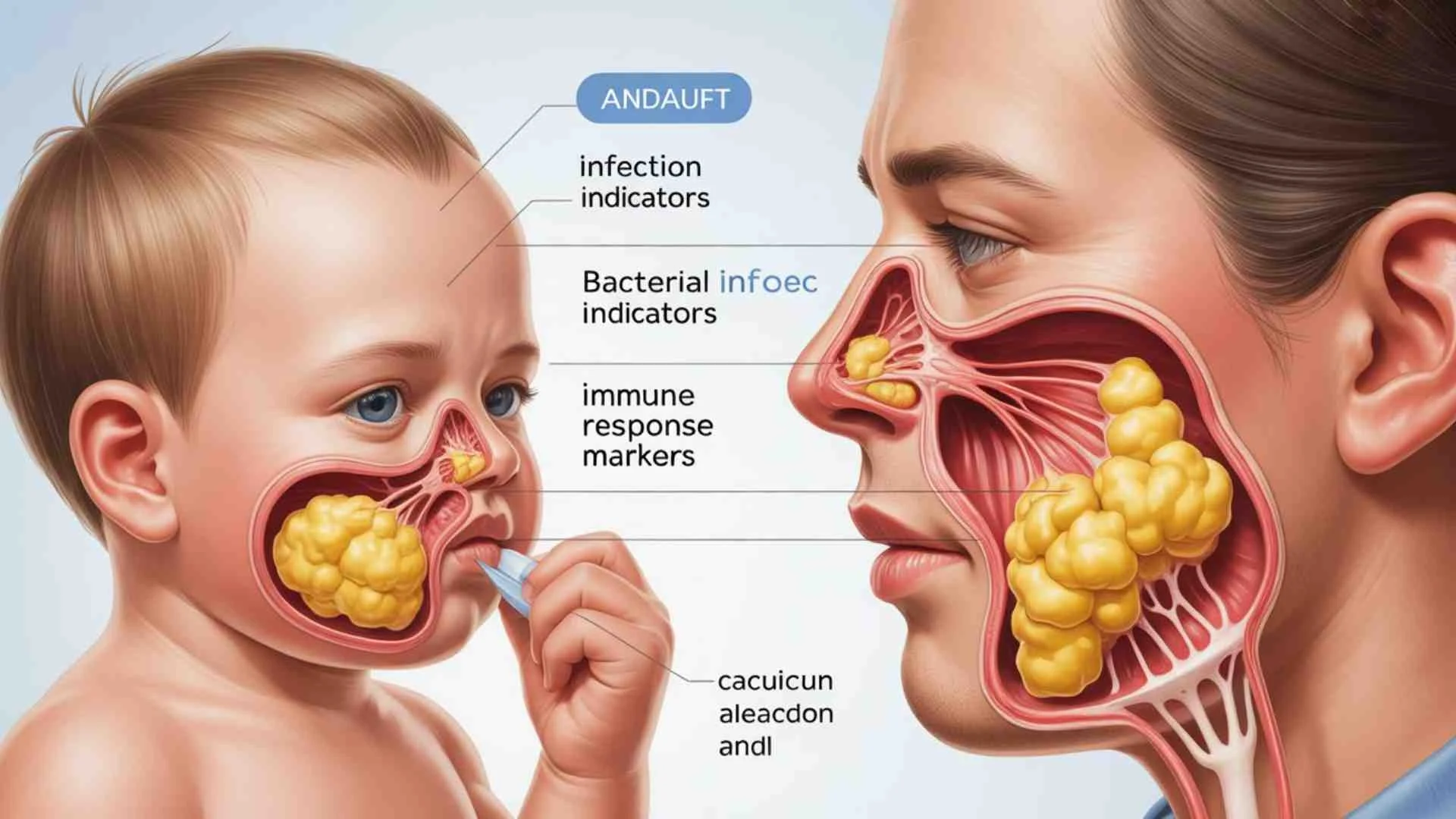
If you’ve ever blown your nose and noticed yellow snot, your first thought was probably, “Am I sick?” You’re not alone. Mucus color triggers instant concern for many people, especially parents. However, what yellow snot means isn’t as simple as “infection” or “antibiotics needed.”
The truth sits somewhere in the middle. Sometimes yellow snot is completely normal. Other times, it signals your immune system working overtime. Context matters more than color.
This in-depth guide breaks it all down clearly. You’ll learn what yellow snot means, why it happens, when it’s harmless, when it’s not, and how meaning changes based on age, illness, and symptoms.
Why Mucus Color Matters (But Not the Way You Think)

People often treat mucus like a health report card. Clear means good. Green means bad. Yellow means trouble.
That logic sounds neat, but biology isn’t that tidy.
Mucus color reflects immune activity, hydration, and inflammation—not just infection. Doctors don’t diagnose illness by color alone. They look at duration, pain, fever, and overall symptoms.
Think of mucus like smoke from a fire. The color tells you something is happening, but not what started it.
What Is Snot Made Of?
Before understanding what yellow snot means, it helps to know what snot actually is.
Nasal mucus is a protective substance produced by glands lining your nose and sinuses. It serves as your body’s first line of defense.
What nasal mucus contains
- Water (about 95%)
- Mucins (sticky proteins)
- Salts and electrolytes
- Antibodies
- Dead cells
- White blood cells
- Trapped dust, pollen, bacteria, and viruses
When everything runs smoothly, mucus stays thin and clear. When inflammation kicks in, things change.
What Does Yellow Snot Mean?
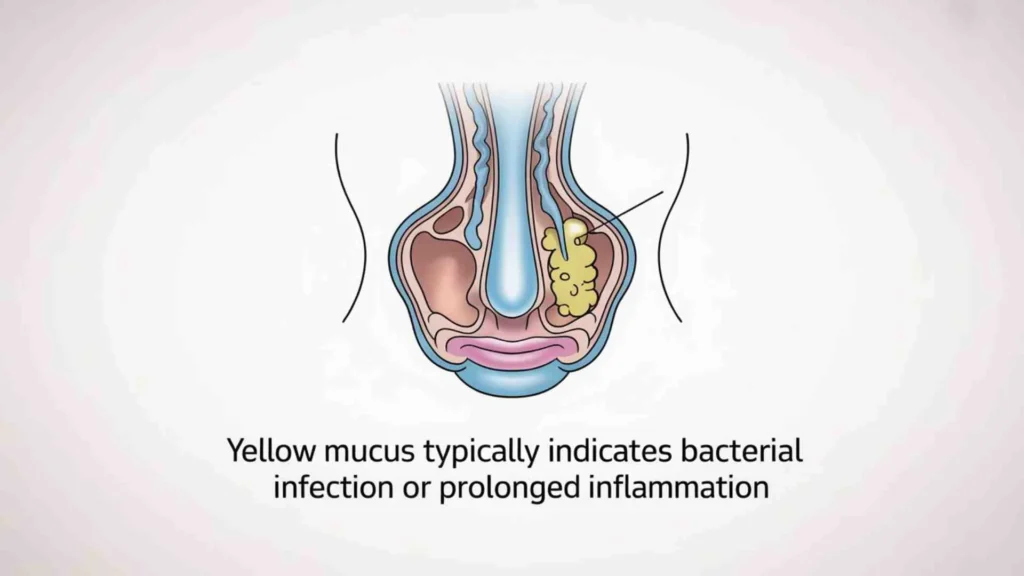
Yellow snot usually means your immune system is actively responding to something.
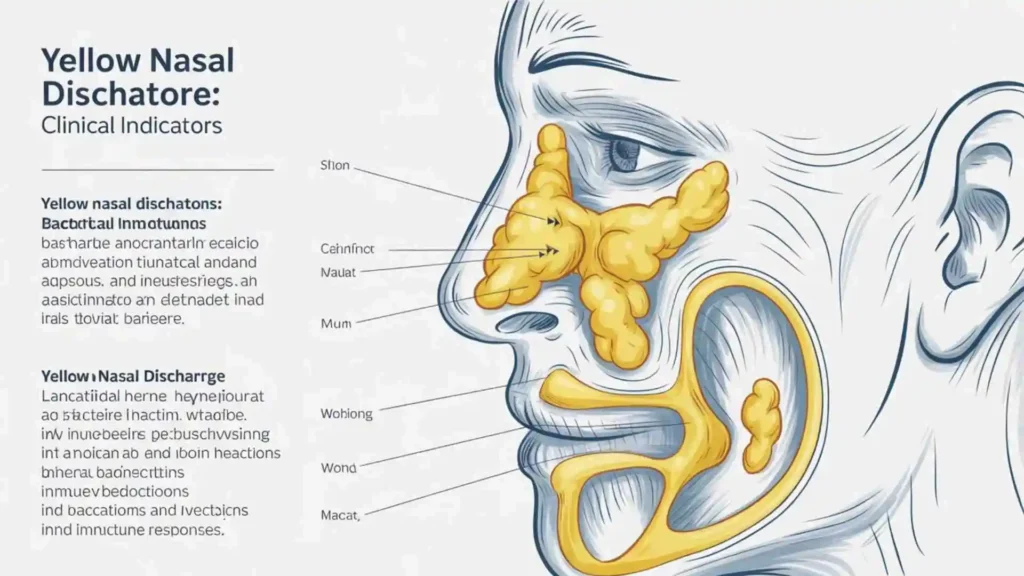
The yellow color comes from white blood cells, especially neutrophils. These cells rush to fight viruses or bacteria. As they break down, enzymes give mucus a yellow or yellow-green tint.
Key takeaway
Yellow snot means immune activity, not automatically infection.
It often appears:
- During a cold
- As your body fights off a virus
- In the middle or late stage of illness
Yellow mucus can actually signal that your body is doing its job.
Yellow Snot vs Clear, White, and Green Mucus
Color alone doesn’t diagnose illness, but patterns help.
Mucus color meanings
| Mucus Color | What It Usually Means |
| Clear | Normal, hydrated nasal passages |
| White | Congestion, inflammation, dehydration |
| Yellow | Immune response, healing phase |
| Green | Strong immune response, longer inflammation |
| Brown | Old blood, dry air, pollution |
| Red/Pink | Fresh blood, irritation |
Green mucus often gets more attention, but it doesn’t automatically mean something worse than yellow. It just suggests the immune response has been going on longer.
What Does Yellow Snot Mean When You’re Sick?
When illness starts, mucus usually turns cloudy or white. As immune cells flood the area, it may become yellow.
Typical illness timeline
- Clear mucus at the start
- White or cloudy mucus as inflammation builds
- Yellow snot as immune cells accumulate
- Clear mucus again as recovery begins
This progression often happens during viral infections.
Important fact: Most upper respiratory infections are viral. Antibiotics won’t help.
What Does Yellow Snot Mean When You Have a Cold?
Colds are the most common reason people notice yellow mucus.
A standard cold lasts 7 to 10 days. Yellow snot often appears between days 3 and 7.
During a cold, yellow snot usually means
- Your immune system is fighting the virus
- The infection is peaking or improving
- You’re not necessarily contagious anymore
When yellow snot during a cold is normal
- No facial pain
- No high fever
- Symptoms slowly improving
When it’s not normal
- Symptoms worsen after day 10
- Severe sinus pressure
- Fever above 101°F lasting several days
What Does Yellow Snot Mean With Allergies?
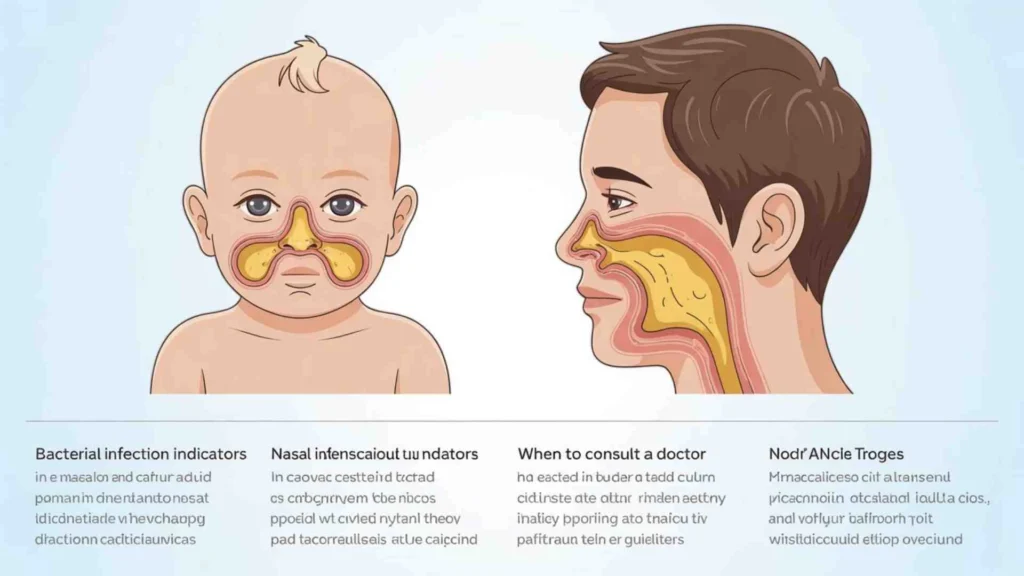
Allergies typically cause clear, watery mucus. So why does yellow snot show up sometimes?
Reasons allergies can cause yellow mucus
- Chronic nasal inflammation
- Blocked sinus drainage
- Secondary viral infection
- Thickened mucus from dehydration
Allergies themselves don’t cause infection. But inflamed sinuses create the perfect environment for mucus to thicken and change color.
Allergy-related clues
- Itchy eyes
- Sneezing fits
- Symptoms improve with antihistamines
- No fever
What Does Yellow Snot Mean in Babies?
Babies scare parents the most when it comes to mucus color. Thankfully, yellow snot in babies is often harmless.
Common causes in infants
- Immature immune systems
- Frequent viral exposure
- Dry indoor air
- Mild colds
Babies under one year can get 6–8 colds per year. Yellow mucus is part of that process.
When to call a pediatrician
- Trouble breathing
- Poor feeding
- Fever over 100.4°F in infants under 3 months
- Thick yellow snot lasting longer than 10 days
What Does Yellow Snot Mean in Toddlers?
Toddlers collect germs like trophies. Daycare exposure makes frequent infections normal.
Yellow snot in toddlers often means
- A common viral cold
- Recovery phase of illness
- Sinus drainage adjusting
Red flags in toddlers
- Facial swelling
- Persistent fever
- Ear pain
- Thick mucus lasting over two weeks
Most pediatric sinus infections start viral. Antibiotics only help in specific cases.
What Does Yellow Snot Mean in Adults?
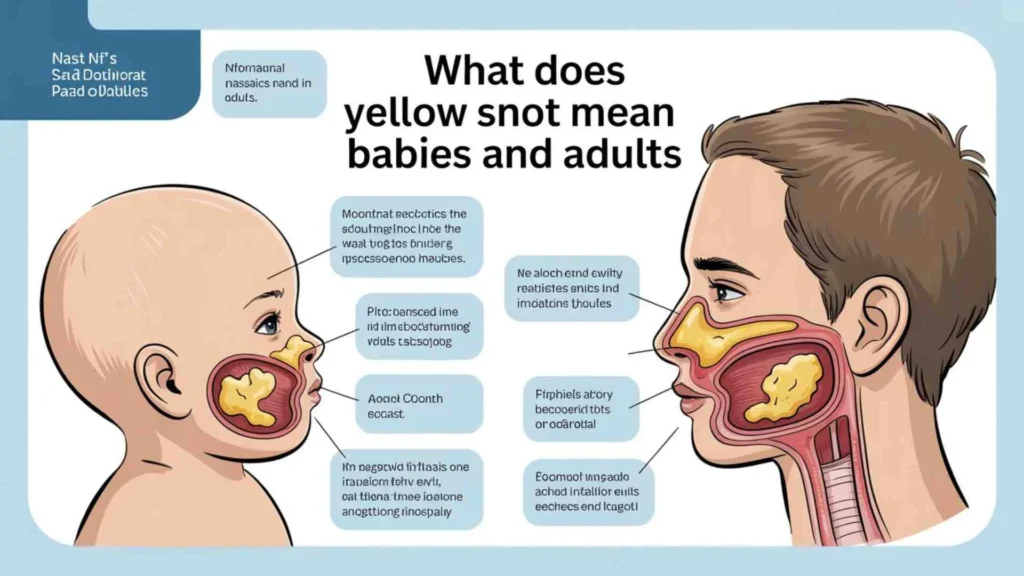
Adults experience yellow snot for different reasons.
Common adult causes
- Viral infections
- Allergies
- Dehydration
- Smoking or vaping
- Air pollution
- Chronic sinus inflammation
Adults often mistake yellow mucus for bacterial infection. In reality, less than 10% of sinus infections are bacterial.
Lifestyle factors matter more than people think.
What Does Yellow Snot Mean With COVID?
COVID-19 symptoms vary widely. Nasal congestion and mucus changes can occur, especially with newer variants.
COVID-related mucus facts
- Color doesn’t diagnose COVID
- Yellow snot can appear during recovery
- Loss of smell is more telling than mucus color
When to test
- Fever
- Body aches
- Loss of taste or smell
- Known exposure
Yellow snot alone isn’t a COVID indicator.
What Does Yellow Snot Mean With a Sinus Infection?
Sinus infections get blamed on yellow mucus more than anything else.
Types of sinus infections
- Acute viral sinusitis (most common)
- Acute bacterial sinusitis (rare)
- Chronic sinusitis (lasting over 12 weeks)
Signs pointing to bacterial sinus infection
- Symptoms last over 10 days without improvement
- High fever above 102°F
- Severe facial pain
- Thick yellow or green mucus plus worsening symptoms
Color alone doesn’t confirm a sinus infection.
Cold vs Allergies vs Sinus Infection vs COVID
| Condition | Mucus Color | Key Symptoms | Duration |
| Cold | Clear → Yellow | Sore throat, cough | 7–10 days |
| Allergies | Clear (sometimes yellow) | Itchy eyes, sneezing | Seasonal |
| Sinus Infection | Yellow/Green | Facial pain, pressure | 10+ days |
| COVID | Any color | Fever, fatigue, loss of smell | 5–14 days |
Is Yellow Snot a Sign You Need Antibiotics?
Short answer: Usually no.
Antibiotics only work against bacteria. Most upper respiratory infections are viral.
Why antibiotics are overused
- Mucus color misconceptions
- Pressure to “do something”
- Short doctor visits
Risks of unnecessary antibiotics
- Antibiotic resistance
- Gut microbiome damage
- Side effects like diarrhea and yeast infections
Doctors prescribe antibiotics based on symptoms and duration, not color.
How Long Is Yellow Snot Normal?
Typical durations
- Cold-related yellow snot: 3–7 days
- Viral sinus inflammation: up to 10 days
- Allergies with irritation: intermittent
When it’s lingering too long
- More than 14 days
- Symptoms worsen instead of improve
- Pain increases
Persistent symptoms deserve evaluation.
When Should You See a Doctor?
You should seek medical care if:
- Fever lasts over 3 days
- Facial swelling occurs
- Severe headache develops
- Breathing becomes difficult
- Yellow snot lasts over 14 days
High-risk groups include infants, older adults, and people with weakened immune systems.
How to Treat Yellow Snot at Home
Most cases improve with supportive care.
Effective home remedies
- Drink plenty of fluids
- Use a humidifier
- Saline nasal sprays
- Gentle nasal rinses
- Rest
What to avoid
- Overusing decongestant sprays
- Smoking or vaping
- Dry environments
Hydration alone can dramatically thin mucus.
Common Myths About Yellow Snot
Myth: Yellow snot means bacterial infection
Truth: It usually reflects immune activity
Myth: Green mucus is worse than yellow
Truth: It just means the immune response has lasted longer
Myth: Antibiotics speed recovery
Truth: They don’t help viral infections
Frequently Asked Questions
Can yellow snot turn green?
Yes. As immune cells accumulate, enzymes deepen the color.
Is thick yellow mucus worse than thin?
Thickness often reflects dehydration or inflammation, not severity.
Does yellow snot mean you’re contagious?
Not necessarily. Many people stop being contagious before mucus turns yellow.
Can dehydration cause yellow mucus?
Yes. Dehydration thickens mucus and darkens its color.
Final Takeaway
Yellow snot is usually a sign that your immune system is working. It doesn’t automatically mean infection, danger, or antibiotics.
Context matters more than color. Duration, pain, fever, and overall symptoms tell the real story.
If symptoms improve, yellow snot often means you’re on the mend. If symptoms worsen or linger, it’s time to check in with a healthcare professional.
Your nose isn’t sounding an alarm. It’s sending information.

Julian West is a writer who believes that the right words can mend what life tries to break. A quiet observer of human nature, Julian finds his inspiration in fleeting moments — a whispered goodbye, an unfinished letter, a glance that says everything. Through his work, he captures these subtle emotions and transforms them into timeless quotes that stay with the reader long after the screen fades.
Julian writes not just to express, but to connect — with the lonely soul scrolling at midnight, the dreamer chasing light in darkness, and the fighter learning to breathe again. His quotes echo themes of healing, heartbreak, personal growth, and quiet strength. With a style that’s both poetic and piercing, Julian’s words are often described as “gentle punches to the heart.”
He spends his days exploring old books, journaling in cafes, and finding meaning in the small things — a sunrise, a tear, a laugh that escapes unexpectedly. Julian believes that even the softest words can start a revolution within.
📚 Published Works by Julian West
-
“Ashes & Echoes”
A hauntingly beautiful collection of quotes about loss, healing, and rising from emotional ruins. -
“Beneath the Stillness”
Quotes and reflections on inner peace, overthinking, and the battles no one sees. -
“The Ink Left Behind”
A poetic tribute to broken hearts, quiet strength, and the stories we carry but never tell.