
If you’ve ever seen someone say “YOLO” before doing something bold, impulsive, or just plain fun, you’re not alone. The phrase has woven itself into everyday language, social media, and pop culture.
Yet many people still ask the same question: what does YOLO mean, and why does it carry so much weight for such a short word?
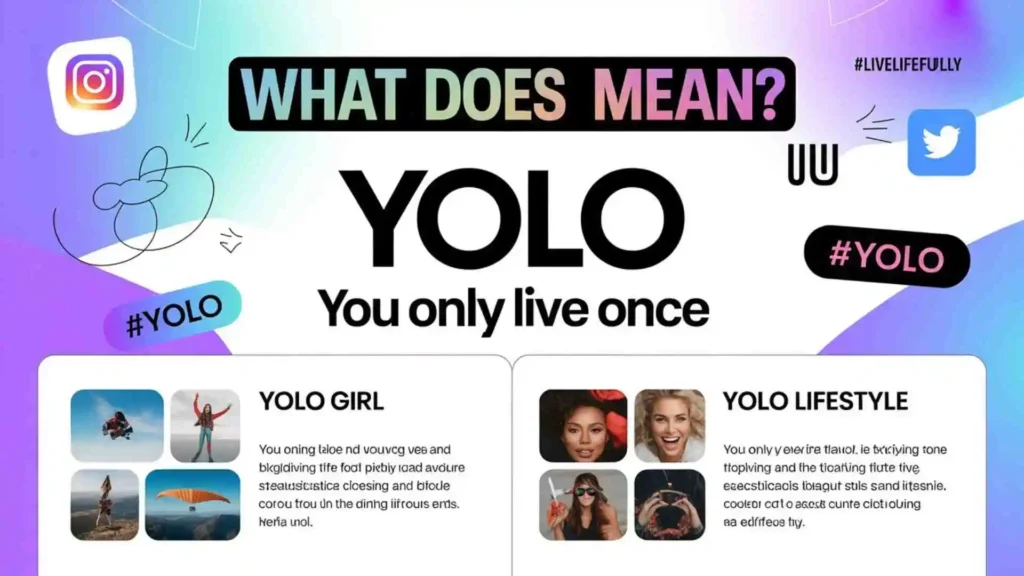
YOLO stands for You Only Live Once.
Let’s break it down properly. Not just the dictionary meaning, but how people actually use it, why it caught on, and whether it’s still relevant today.
What Does YOLO Mean?
YOLO stands for You Only Live Once. At its core, the phrase reminds you that life is short, unpredictable, and worth experiencing fully.
People use it to justify taking chances, embracing opportunities, or stepping outside their comfort zone.
However, YOLO isn’t just about reckless behavior. In many cases, it reflects a mindset. It’s about choosing experiences over hesitation and memories over fear.
Think of it as a modern, informal cousin of the Latin phrase carpe diem. Same spirit. Different tone.
Simple definition:
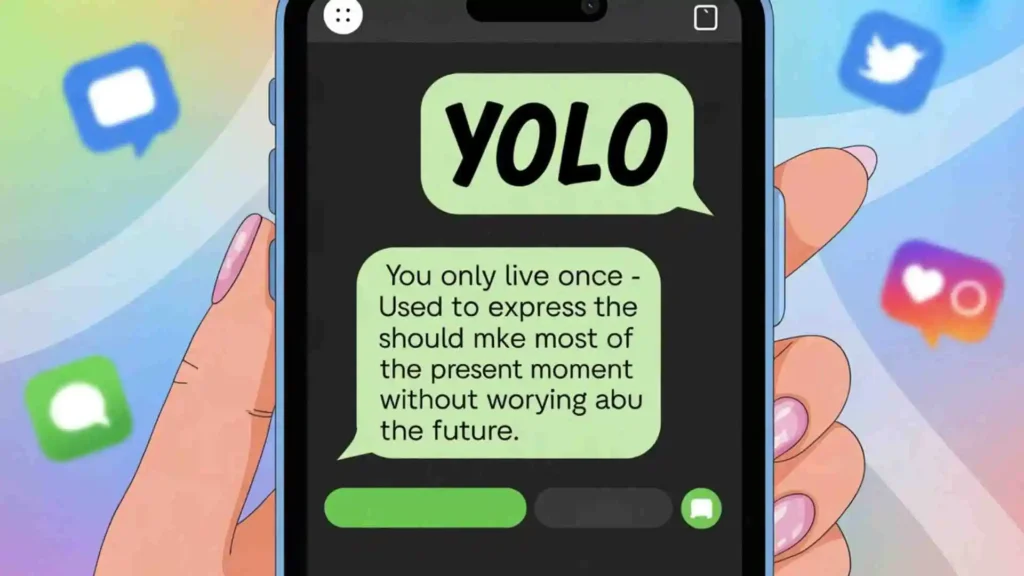
YOLO means you should make the most of life because you only get one chance to live it.
What Does YOLO Mean In Texting And Online Chat?
In texting, YOLO usually adds emotion or justification to a decision. It’s casual, playful, and often impulsive.
When someone uses it in a message, they’re signaling excitement, spontaneity, or a willingness to take a risk.
For example:
- “I’m booking the trip even though it’s last minute. YOLO.”
- “I ordered dessert too. YOLO, right?”
In texts, YOLO often softens the impact of a bold decision. It tells the reader, “I know this might be extra, but life’s short.”
Common texting uses of YOLO include:
- Encouraging spontaneous plans
- Justifying small indulgences
- Making risky ideas feel lighter
- Adding humor to decisions
Because texting thrives on brevity, YOLO fits perfectly. It packs meaning into four letters.
What Does YOLO Mean On Snapchat And Social Media?
On social media, YOLO took on a life of its own. Platforms like Snapchat, Instagram, and TikTok turned it into both a slogan and a lifestyle label.
Snapchat, in particular, amplified YOLO’s popularity through anonymous question features and stickers. People used YOLO to ask bold questions, share confessions, or post daring content without overthinking consequences.
On social media, YOLO often means:
- “I don’t care what people think.”
- “This moment matters more than caution.”
- “I’m living authentically.”
You’ll see YOLO in captions like:
- “Quit my job and start my own thing. YOLO.”
- “Posted it anyway. YOLO.”
Here, YOLO signals confidence. Sometimes bravado. Sometimes vulnerability.
Origin Of YOLO: Where Did It Come From?
While YOLO feels modern, the idea behind it isn’t new. People have always acknowledged life’s shortness. What changed was the packaging.
The acronym existed quietly before social media, but it exploded into mainstream culture after Drake’s 2011 song “The Motto.” When he repeated “You only live once,” the phrase became a cultural catchphrase almost overnight.
After that, YOLO spread fast:
- Celebrities used it
- Brands marketed it
- Memes exaggerated it
Soon, it became shorthand for a whole philosophy. Some embraced it sincerely. Others mocked it. Either way, it stuck.
What Is The Meaning Of YOLO And FOMO?
YOLO often gets mentioned alongside FOMO, which stands for Fear Of Missing Out. While the two relate, they aren’t the same.
YOLO encourages action.
FOMO creates anxiety.
YOLO says, “Do it. Life’s short.”
FOMO says, “What if I miss something better?”
Interestingly, many people act on YOLO because of FOMO. Social media amplifies both. You see others traveling, succeeding, or having fun, and suddenly YOLO feels like permission to keep up.
Key difference:
- YOLO is motivation-driven
- FOMO is fear-driven
Understanding this distinction helps you use YOLO in healthier ways.
What Is A YOLO Girl Or YOLO Lifestyle?
A YOLO girl typically refers to someone who embraces freedom, spontaneity, and bold self-expression. It’s not about irresponsibility by default. It’s about living on your own terms.
Traits often associated with a YOLO lifestyle include:
- Spontaneous decision-making
- Valuing experiences over possessions
- Confidence in self-expression
- Willingness to take calculated risks
However, context matters. Sometimes “YOLO girl” gets used sarcastically to describe risky or impulsive behavior. Tone changes everything.
At its best, the YOLO lifestyle promotes courage and authenticity. At its worst, it excuses poor judgment. The difference lies in intention.
Is YOLO A Bad Word Or Negative Slang?
No, YOLO is not a bad word. It isn’t profanity, offensive, or inherently negative. Still, some people associate it with irresponsibility because of how it’s been used online.
YOLO becomes problematic only when it’s used to justify harmful actions. For example:
- Dangerous stunts
- Financial recklessness
- Ignoring long-term consequences
Used thoughtfully, YOLO encourages growth. Used carelessly, it can excuse bad decisions.
So the word itself isn’t the issue. Behavior is.
Positive And Negative Uses Of YOLO
Like most slang, YOLO depends on context.
Positive uses of YOLO:
- Starting a new career path
- Traveling solo
- Speaking up when it matters
- Trying something meaningful
Negative uses of YOLO:
- Ignoring responsibilities
- Taking unsafe risks
- Overspending without planning
- Avoiding accountability
A healthy YOLO mindset balances courage with awareness. You live fully without burning bridges behind you.
YOLO Vs Similar Expressions
YOLO often overlaps with other expressions, but tone and usage differ.
| Phrase | Meaning | Tone | Best Use |
| YOLO | You only live once | Casual, bold | Social media, speech |
| Carpe Diem | Seize the day | Formal | Writing, philosophy |
| No Regrets | Accept outcomes | Confident | Personal reflection |
| Live in the Moment | Focus on now | Calm | Mindfulness |
YOLO feels playful and modern. The others sound more reflective.
Examples Of YOLO In Real-Life Sentences
Real usage helps clarify meaning.
- “I wasn’t sure, but I applied anyway. YOLO.”
- “We drove all night just to see the sunrise. YOLO.”
- “I posted the video even though I was nervous. YOLO.”
In each case, YOLO adds emotional context. It explains why someone chose action over hesitation.
How YOLO Is Used In Different Age Groups
YOLO usage shifts by generation.
Gen Z:
Uses YOLO ironically or humorously. Often self-aware.
Millennials:
Associate YOLO with early 2010s culture and nostalgia.
Older generations:
Understand the meaning but use it less casually.
Language evolves, but YOLO remains recognizable across age groups.
Is YOLO Still Relevant Today?
YOLO isn’t as trendy as it once was, but it hasn’t disappeared. Instead, it evolved. People may not say it as often, but the idea remains deeply embedded in modern culture.
Today, YOLO shows up:
- In memes
- In captions
- In nostalgic references
Slang doesn’t always vanish. Sometimes it settles into the background.
When Should You Use YOLO (And When You Shouldn’t)?
YOLO works best in casual settings. Texts, social media, conversations with friends. It doesn’t belong in professional emails or serious discussions.
Good times to use YOLO:
- Casual chats
- Lighthearted captions
- Personal storytelling
Avoid YOLO when:
- Discussing serious consequences
- Communicating professionally
- Explaining major responsibilities
Knowing when not to use slang matters just as much.
Final Thought
So, it in plain English?
It means life is short, moments matter, and sometimes it’s okay to take a chance. Not blindly. Not recklessly. But intentionally.
When you see YOLO, think:
“Make it count.”
Also Check These Posts
- What Does Standing on Business Mean | on Social Media Apps for 2026
- What Does Adjacent Mean | A Clear Practical Explanation and Examples for 2026

Asher Blake is a passionate wordsmith whose pen dances between pain and purpose. Known for his emotionally rich quotes and soul-stirring reflections, Asher has become a quiet force in the world of inspirational writing. His words don’t just decorate pages — they reach into hearts, offering comfort, clarity, and courage.
With a background in creative writing and an unshakable love for literature, Asher began his journey by collecting forgotten feelings and turning them into lines that linger. His work touches on self-worth, healing, love, heartbreak, and the small moments that define us. He believes that even a single sentence can light up someone’s darkest day.
Driven by empathy and depth, Asher Blake writes not to impress — but to connect. His quotes are shared across the globe by those searching for meaning, motivation, and emotional release. Whether you’re lost in love, rebuilding your confidence, or simply pausing to breathe, his words feel like they were written just for you.
Books by Asher Blake
“Ink & Ache: Quotes That Feel Like Scars”
A collection of raw, emotional quotes about love, loss, and becoming whole again.
“Still Learning to Breathe”
An inspiring blend of healing quotes and reflections for anyone learning to let go.
“Unfinished Thoughts”
A poetic journey through scattered emotions, fleeting moments, and the beauty of not having all the answers.